Pet Stains on Furniture: What Ottawa Pet Owners Need to Know
Pet stains on upholstery are more than a surface problem. Learn how Ottawa pet owners can tackle odours, protect furniture, and when to call in the pros.
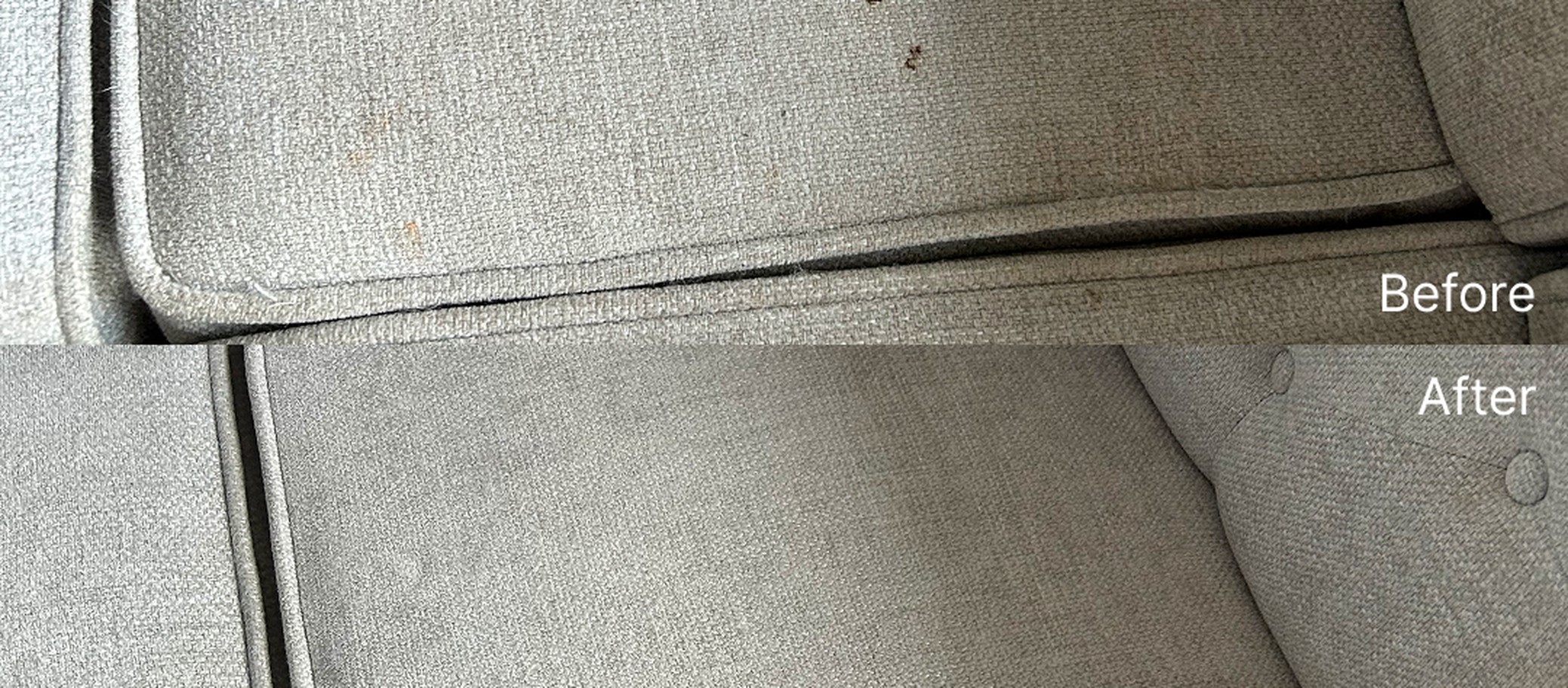
Your dog had a moment. Your cat made a point. And now your couch is paying for it.
Pet accidents on upholstery are one of the most common cleaning problems Ottawa homeowners deal with — and one of the most misunderstood. Most people blot at the spot, spray something from under the sink, and hope for the best. The smell returns a week later. Then again after it rains. Then again when the heat kicks on in October.
If that cycle sounds familiar, there's a reason. And there's a better way to handle it.
Why Pet Stains Are Different from Regular Stains
A coffee spill and a pet accident aren't the same problem, even if they look similar on the surface. Pet urine contains uric acid crystals that bond to fabric fibres and don't break down with soap and water. You can remove the visible stain — but the crystals stay behind, buried in the cushion padding.
Here's what makes it worse: those crystals are hygroscopic, meaning they attract moisture from the air. Every time it's humid — during an Ottawa summer, or when the furnace kicks the humidity up in winter — the bacteria reactivate and the odour returns. That's why a couch that smelled fine last week suddenly smells like a kennel when it rains.
This isn't a cleaning problem you can solve on the surface. You have to neutralize what's underneath.
The DIY Response: What Actually Works (and What Doesn't)
When an accident happens, fast action is your best friend. Here's what to do in the first few minutes:
- Blot, don't rub. Press a clean cloth firmly into the stain to absorb as much liquid as possible. Rubbing spreads the urine deeper into the fibres.
- Use an enzyme-based cleaner. These are sold at pet stores and work by breaking down the uric acid at a molecular level. Follow the instructions — most need to sit for 10–15 minutes before blotting.
- Avoid vinegar and baking soda on upholstery. These are popular for carpet, but they can set stains on fabric and leave residue that's hard to remove without professional equipment.
- Let it air dry completely. Trapped moisture breeds bacteria. Open a window, run a fan, or crack the balcony door.
Done right, this approach handles a fresh, surface-level accident reasonably well. The problem is when the accident soaks through the cushion cover into the foam — or when it goes unnoticed for a day or two. At that point, DIY cleaning rarely gets all of it.
When Professional Cleaning Is the Right Call
There are situations where no amount of enzyme cleaner from a spray bottle is going to cut it:
- The smell returns after cleaning, especially when it's warm or humid
- The accident soaked through to the foam padding
- There are multiple stains from recurring accidents — common with senior pets or new puppies
- The fabric is delicate (microfibre, velvet, linen) and requires careful handling
- You're selling your home or expecting guests and need the furniture to actually smell clean
We get calls from Ottawa pet owners across Barrhaven, Kanata, and Orleans who've tried everything and are ready to give up on the couch entirely. In most cases, we're able to restore it — and save them the cost of a replacement.
What Professional Upholstery Cleaning Actually Does
Professional cleaning goes beyond the surface in a way that sprays and scrubbing can't. Hot water extraction — the method we use at Fynest — forces a cleaning solution deep into the fibres and cushion, then extracts it along with the contaminants that are causing the odour.
For pet-specific stains, we treat the affected areas with a targeted enzyme solution before extraction. This neutralizes the uric acid crystals, not just the visible stain. The difference is a couch that doesn't smell the next time it rains.
Most upholstery is dry within 4–8 hours, depending on the fabric and how much moisture was used in the process. We'll always tell you what to expect for your specific piece of furniture.
Protecting Your Upholstery Going Forward
Once your furniture is clean, a few habits can help it stay that way:
- Use washable slipcovers or throws in areas where your pet spends the most time. They're easier to launder and protect the cushions underneath.
- Apply a fabric protector after professional cleaning. It creates a barrier that slows liquid absorption, giving you more time to blot before a stain sets.
- Designate a pet spot. If your dog has a favourite end of the couch, put a washable blanket there. Simple — and it works.
- Schedule annual cleaning. Even without visible accidents, pet dander and oils accumulate in upholstery over time. An annual professional cleaning prevents the buildup from becoming permanent.
We've written before about what accumulates inside couch cushions over time — pet dander is only part of the picture, but it's one of the bigger contributors to indoor allergens for Ottawa families with animals at home.
Ready to Reclaim Your Furniture?
If pet stains have your upholstery smelling less than fresh, our team can help. We serve Ottawa homeowners from Nepean to Gloucester to Stittsville, and we've seen just about everything a pet can throw at a couch.
Get in touch for a free quote. We'll give you an honest assessment of what's possible and what to expect — no pressure, no upsell, just a clean result.

Meet Brad — the guy who treats your home like it’s his own, with precision, care, and professionalism.